

If there’s one thing Banksy knows how to do, it’s forcing people to question what they think they already understand. His Di-Faced Tenner is one of his most clever examples: an artwork disguised as money that exposes just how fragile our trust in currency really is.
Created in 2004, the Di-Faced Tenner looks almost exactly like a standard £10 note at first glance. But look closer and you’ll notice something jarring: Instead of Queen Elizabeth II, Banksy replaces her portrait with Princess Diana, and the note is issued by the fictional “Banksy of England”. The result is both funny and unsettling. Banksy intentionally blurs the line between artwork and counterfeit, raising questions about authenticity, value, and the institutions we rarely think to question.
What makes the Di-Faced Tenner especially fascinating is how it escaped the art world and entered real life. Banksy famously scattered thousands of these notes at public events, letting people pick them up, spend them, or keep them as souvenirs. Some were even unknowingly accepted by shopkeepers. In other words, the artwork worked. It acted like real money because people believed it was.
Today, the Di-Faced Tenner remains a powerful commentary on the systems we trust and the symbols that hold our society together. And in typical Banksy fashion, it proves that art doesn’t need a frame to make an impact. Sometimes, it just needs to fit inside a wallet.
SIMILAR ARTICLES
Keith Haring's Montreux Jazz Festival Posters: A Fusion of Art and Music
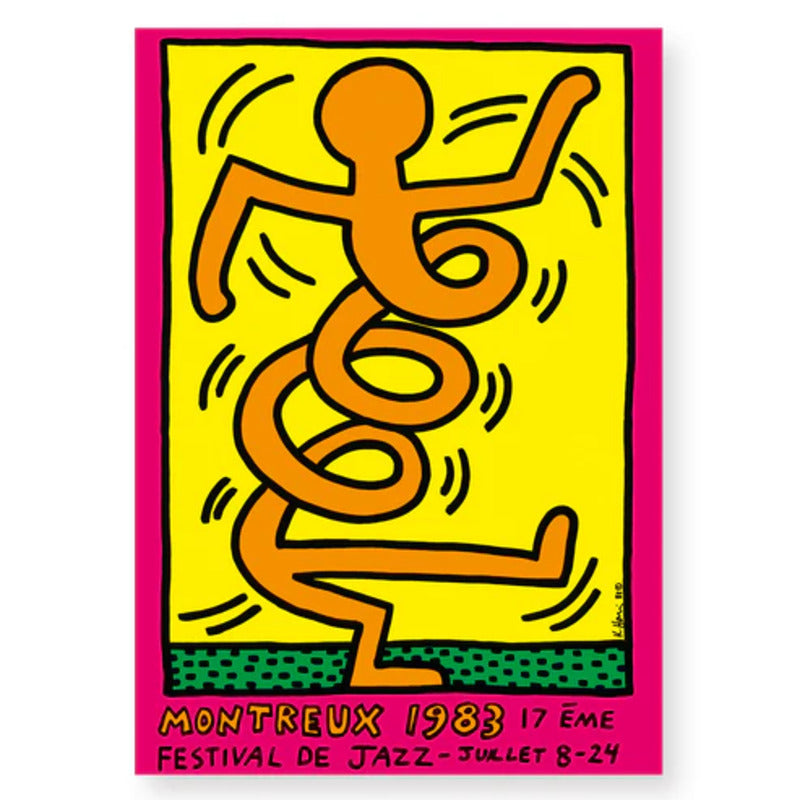
Keith Haring's Montreux Jazz Festival Posters: A Fusion of Art and Music The Montreux Jazz Festival, one of the most prestigious music festivals in the world, has always been synonymous...
A History of Banksy GDP Flower Thrower - Now in Stock
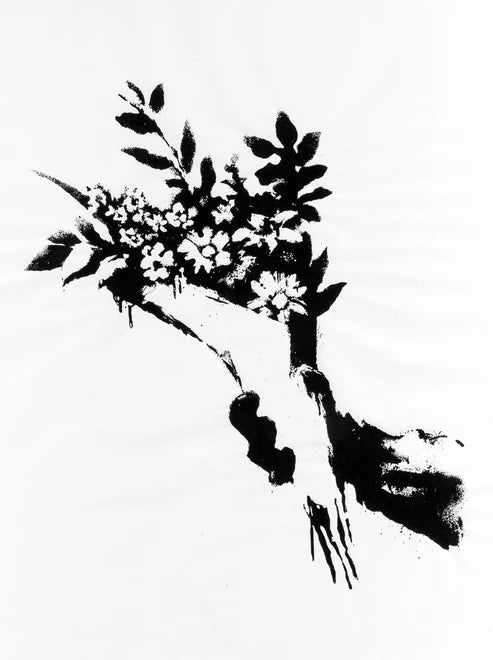
A History of Banksy GDP Flower Thrower - Now in Stock In the world of contemporary art, few names evoke intrigue and mystery quite like Banksy. His works, often political,... Read More
4th-6th Nov - Smolensky Gallery hits Manchester Art Fair
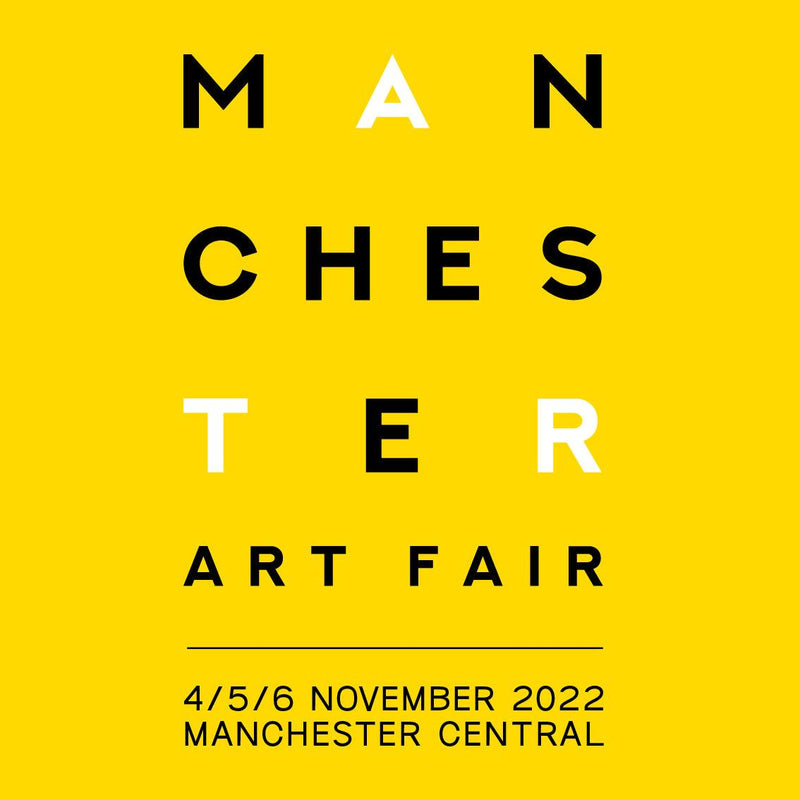
Exciting news - From 4th to 6th November, Smolensky Gallery will be bringing our unique curation and exclusive artworks to take part in one of the most fun dates of art in Manchester. Look... Read More